

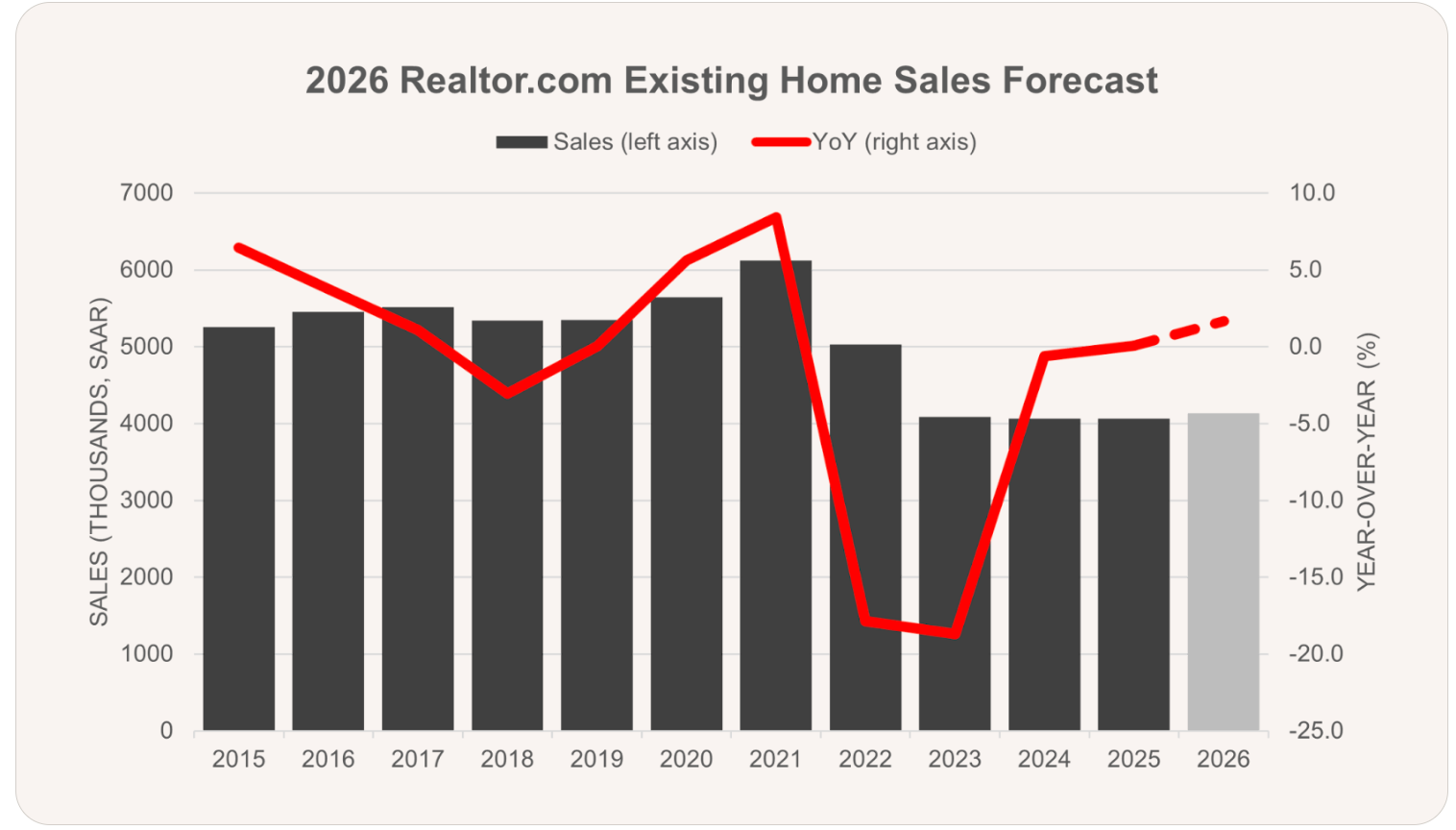
Overview of the Phoenix Housing Market
The Phoenix housing market has experienced significant changes over the last few years, as it has transitioned from a period of stagnation to one characterized by rapid growth and substantial price increases. This strong demand has been driven by several factors, including a robust local economy, population growth, and a favorable climate, which have collectively established Phoenix as a desirable destination for both individuals and families.
In examining the current phoenix housing market correction, it is vital to acknowledge that home prices in the region have appreciated dramatically. According to recent statistics from the Arizona Regional Multiple Listing Service (ARMLS), the median home price in the Phoenix area has surged to unprecedented levels, reflecting trends seen nationwide but exacerbated by local demand. The city’s appeal has been bolstered by an influx of residents migrating from more expensive states, seeking affordable housing options coupled with a vibrant lifestyle.
Job growth has also played a crucial role in driving the phoenix housing market correction. Major industries, including technology, healthcare, and finance, have expanded in the area, creating well-paying employment opportunities that attract new homeowners. As employers continue to establish a presence in Phoenix, the demand for housing has intensified, leading to a competitive market scenario. Additionally, the influx of professionals in search of remote work opportunities has further fueled the housing demand.
Moreover, the population of Phoenix has steadily increased, outpacing national averages. This growing demographic trend has put additional pressure on the housing supply, resulting in fewer homes available for sale and driving prices higher. As we look at these dynamics, it becomes essential to anticipate how current conditions may influence the potential correction of the phoenix housing market correction in the forthcoming months.
Causes of the Housing Market Correction
The Phoenix housing market correction is influenced by a variety of factors that collectively contribute to the shift in dynamics within the real estate sector. One of the primary drivers is the rise in interest rates, which has a direct impact on borrowing costs. As interest rates climb, potential buyers may find themselves unable or unwilling to purchase homes at the previous price levels, leading to a decrease in demand. This often results in a cooling off of the housing market, forcing sellers to re-evaluate their pricing strategies.
Alongside rising interest rates, changes in buyer sentiment play a critical role in shaping the market’s trajectory. With economic uncertainty and inflation concerns, many prospective homeowners may adopt a conservative approach, resulting in a decreased willingness to commit to significant investments. This shift in buyer behavior contributes to a drop in housing sales and a subsequent market correction as supply begins to exceed demand.
Economic shifts also have a profound influence on the Phoenix housing market correction. Factors such as job growth, unemployment rates, and overall economic performance contribute to buyers’ confidence. If the economy shows signs of weakening or instability, individuals may delay purchasing decisions, further exacerbating any downturn in the housing sector. Government policies can also significantly impact the housing landscape; for instance, changes in tax incentives, regulations, and housing development plans can alter how the market reacts to current conditions, influencing both supply and demand.
In summary, the intricate interplay of rising interest rates, alterations in buyer sentiment, economic fluctuations, and government policies creates a breeding ground for adjustments within the phoenix housing market correction. Understanding these factors is crucial for stakeholders looking to navigate the complexities of a market correction effectively.
Impact on Homeowners and Buyers
The Phoenix housing market correction has profound implications for both existing homeowners and potential buyers. For homeowners, the most immediate concern often relates to home equity and market value. Many may experience a decrease in home equity due to the correction, particularly if they purchased their homes during the previous seller’s market. As property values decline, homeowners who may have been considering refinancing or accessing home equity lines of credit may find the value of their homes no longer meets the requirements necessary for such actions, placing them in a difficult financial position.
Additionally, homeowners looking to sell in a correcting market may face challenges in obtaining the desired sale price, which could lead to longer listing times or reduced offers. This situation can be particularly stressful, as it often creates a significant psychological burden that affects consumer confidence. Homeowners may worry about their investment’s safety, fearing that further corrections might erode their wealth.
On the other hand, the market correction presents opportunities for prospective buyers. As home prices begin to adjust, buyers may find themselves in a more advantageous position compared to the highs of the previous year. Price reductions could make homeownership more accessible to first-time buyers, allowing them a chance at purchasing a home during a period of less competition.
Moreover, as the market adapts, the sense of urgency often felt by buyers can diminish. This enables them to take their time to make informed decisions rather than rushing due to fierce competition. As consumer confidence stabilizes, both buyers and homeowners may find a more balanced, rational approach to navigating the intricacies of the Phoenix housing market correction, ultimately fostering a healthier landscape for all parties involved.
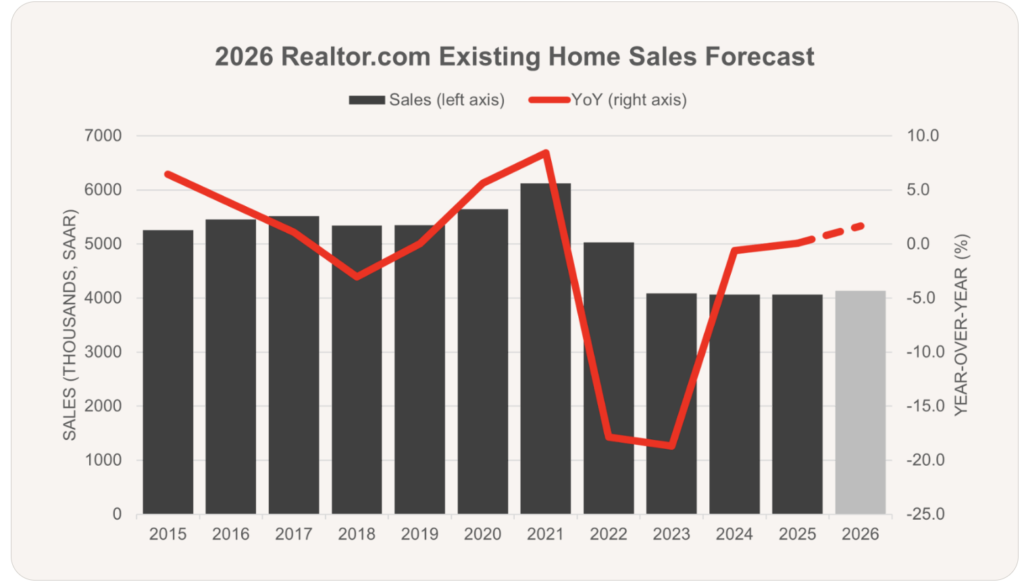
Future Outlook for the Phoenix Housing Market
The phoenix housing market correction has shown considerable resilience in the wake of a significant correction driven by various economic factors. As such, the future outlook presents a mixture of caution and optimism among real estate analysts and investors alike. Experts anticipate that the market may stabilize in the coming months as interest rates begin to level off, potentially leading to renewed activity among buyers and sellers. This normalization could provide a much-needed boost to the housing sector, facilitating a gradual recovery following the market correction.
Several indicators emerge that could influence the trajectory of the phoenix housing market correction in the near future. One significant factor is the continued population growth in the region, as individuals and families are drawn to its favorable climate and job opportunities. The influx of new residents is likely to sustain demand for housing, even amidst fluctuations in pricing. Additionally, an ongoing trend of remote work may encourage individuals from higher-cost areas to relocate to more affordable markets like Phoenix, further stimulating demand.
Moreover, economic forecasts suggest a potential rebound in the job market, which could enhance consumer confidence and purchasing power. A robust job market usually stimulates the housing demand and contributes to upward pressures on home prices. However, caution must be exercised, as rising inflation and geopolitical uncertainties could adversely impact economic growth and consumer confidence.
In conclusion, while the Phoenix housing market correction has undoubtedly reshaped the landscape, signs of recovery are emerging. By keeping an eye on demographic trends and economic indicators, stakeholders can make informed decisions as they navigate the evolving real estate environment in phoenix housing market correction. The future appears to hold opportunities, yet challenges remain in the balance, requiring strategic foresight from both buyers and sellers.
