


What is 192 l.168.1.1?
The IP address 192 l.168.1.1 is classified as a private IP address, a term that denotes addresses that are reserved for use within private networks. These addresses cannot be routed directly on the internet, making them a fundamental aspect of local network management. Specifically, the range of IP addresses from 192.168.0.0 to 192.168.255.255 is often utilized for local area networks (LANs), providing connectivity for devices without exposing them to the broader internet.
Within home or office networks, 192 l.168.1.1 usually serves as the default gateway address for various routers and modems. This designation is crucial because it acts as a communication endpoint for devices within the network, allowing them to connect to the router for internet access and other networking functions. Moreover, it provides a local address to manage settings related to the router’s operation, enhancing users’ ability to configure their network settings.
The significance of 192 l.168.1.1 extends to network management. Users can access this IP address through a web browser, leading them to the router’s administration interface. This interface is where network administrators can make changes, such as altering the Wi-Fi password, enabling security protocols, or updating firmware. Therefore, understanding the role of 192 l.168.1.1 is essential for anyone looking to efficiently manage their network.
How to Access Your Router Using 192 l.168.1.1
Accessing your router’s settings is a crucial step in managing your home network effectively. The default gateway address for many routers is 192 l.168.1.1. To access your router’s interface, follow these simple steps.
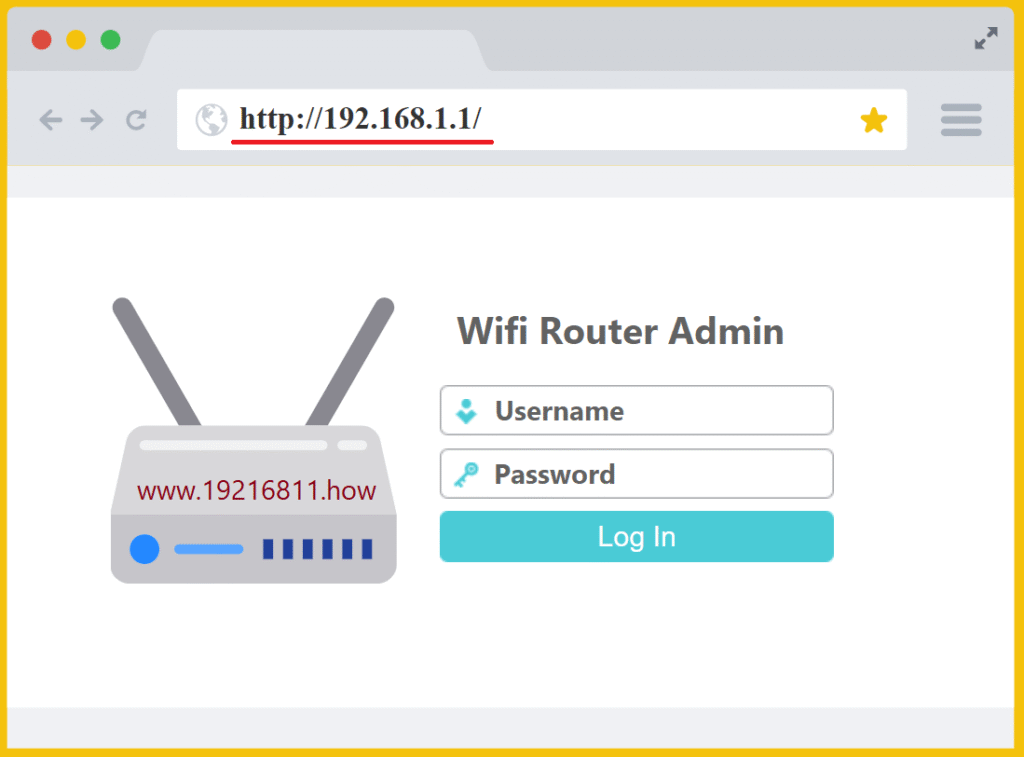
First, ensure that your computer or device is connected to the network, either through Wi-Fi or via an Ethernet cable. Open a web browser of your choice, such as Chrome, Firefox, or Edge. In the address bar, enter 192 l.168.1.1 and press the Enter key. If correctly connected, you should be redirected to the router’s login page.
If you encounter an error message stating that the site cannot be reached, ensure that you have entered the IP address correctly with no spaces or typographical errors. If you are still facing issues, try resetting your router to factory settings, which might help in troubleshooting the connectivity problems. This process typically involves holding down the reset button located on the back of the router for several seconds.
Once you reach the login page, you will need to provide the router’s administrative credentials. Common usernames and passwords include ‘admin’ for the username and ‘admin’ or ‘password’ for the password. If these credentials do not work, refer to the router’s manual, or check online resources specific to your router model for the default login information.
After successfully logging in, you will have access to various settings, including network configuration, security options, and parental controls. It is advisable to change the default username and password to something more secure to protect your network from unauthorized access.
In conclusion, accessing your router using 192 l.168.1.1 is straightforward when following the right steps. Always ensure to secure your settings to maintain a safe and efficient network environment.
Common Issues and Troubleshooting with 192 l.168.1.1
Accessing your router through the address 192 l.168.1.1 is generally straightforward, yet users often encounter several common issues that may hinder connectivity to their network management interface. Addressing these problems promptly is crucial in maintaining an optimal network environment.
One prevalent issue is connectivity problems, which can stem from various sources. Users attempting to access 192 l.168.1.1 may find that their devices cannot establish a connection. First, ensure that your device is connected to the correct network, either via Ethernet or Wi-Fi, and that there are no physical obstructions to the router’s signal. A simple restart of both your device and the router can also help refresh the connection.
If the issue persists, consider checking your network configuration settings. Incorrect IP settings may prevent access to 192 l.168.1.1. Navigate to your device’s network adapter and confirm that it is set to obtain an IP address automatically. This can resolve any mismatches that would otherwise prevent connectivity.
Password recovery is another common hurdle. If you cannot recall the administrator password for your router, it may be necessary to reset the device to factory settings. Locate the reset button on your router, press and hold it for about ten seconds, and release it. This action will erase all custom settings, allowing you to log in using the default credentials, typically found on a label attached to the router.
In instances where users still experience difficulties, consulting the router’s user manual or the manufacturer’s support website can provide tailored troubleshooting guidance. Staying informed about the features and common pitfalls associated with 192 l.168.1.1 can greatly enhance one’s ability to manage their home network effectively.
Optimizing Your Network Settings via 192 l.168.1.1
The router interface found at 192 l.168.1.1 serves as a central point for managing and optimizing your network settings effectively. Accessing this interface allows users to make crucial adjustments that can enhance both the security and performance of their home or office network.
One of the primary functions available through 192 l.168.1.1 is the ability to change Wi-Fi passwords. This practice is vital for maintaining network security and preventing unauthorized access. Users can navigate to the wireless settings section of the router interface, where they can easily create a strong, new password, ensuring that their network remains secure against potential breaches.
In addition to modifying Wi-Fi passwords, users can also take advantage of features designed for network security. This includes enabling firewalls, disabling remote management features, and implementing MAC address filtering. By taking these steps, network managers can reduce vulnerabilities and maintain a more secure environment for all connected devices.
Another important aspect of network optimization through 192 l.168.1.1 is the occasional need to update the router’s firmware. Keeping firmware up to date can resolve bugs, enhance functionality, and provide better security protocols. Users should frequently check for updates in their router’s settings to ensure that they are benefiting from the latest improvements offered by the manufacturer.
Lastly, the advanced settings available in the interface allow for further customization, including Quality of Service (QoS) settings, which prioritize bandwidth for specific applications. This ensures that devices requiring higher performance, such as gaming consoles or streaming devices, receive the necessary resources for optimal connectivity.
By leveraging the capabilities found at 192 l.168.1.1, users can significantly enhance their network’s speed, security, and overall functionality, thus creating a better online experience for all users involved.
